Meta
The WARDOGS meta
In most shooters the meta asks which gun is best. In WARDOGS everything has a price tag, so it asks something harder. The ranking on raw time to kill is below — and under that, the reason a price tag can overrule it.
Weapon tier list
Data as of Season 1 · 10 Sept 202620 of the 25 weapons carry both a damage value and a rate of fire. Those two numbers give a time to kill, and the ranking is that figure re-run at close, medium and long range. It is a model, not a play-test — the hit rates it assumes are ours, and it knows nothing yet about armour, recoil or attachments. The remaining 5 are missing a figure and stay unranked rather than being guessed into a letter.
S
3 · Fastest across the bands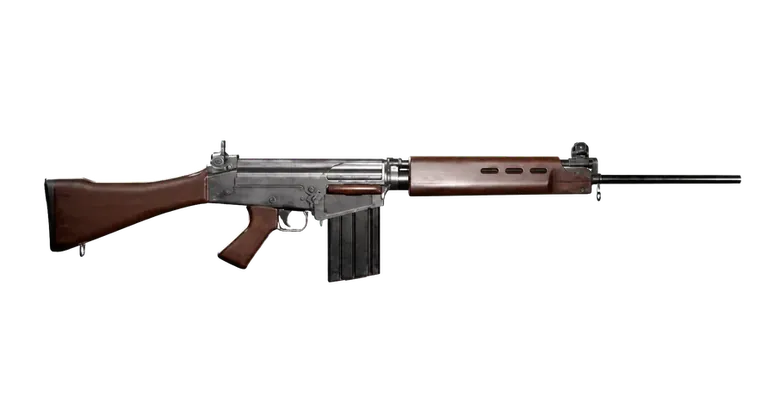
A
6 · Competitive, more range-dependent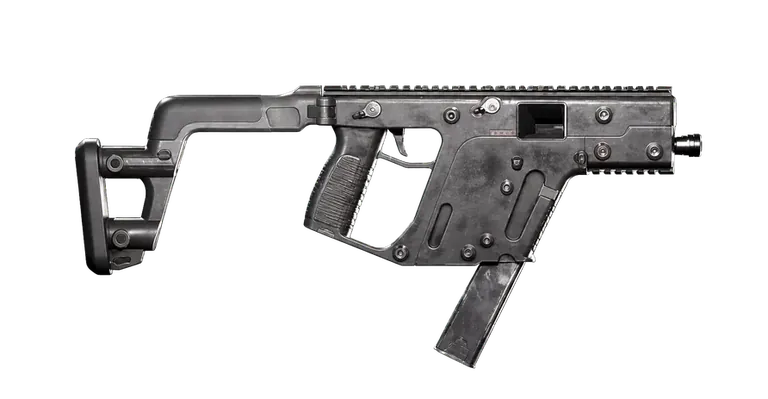
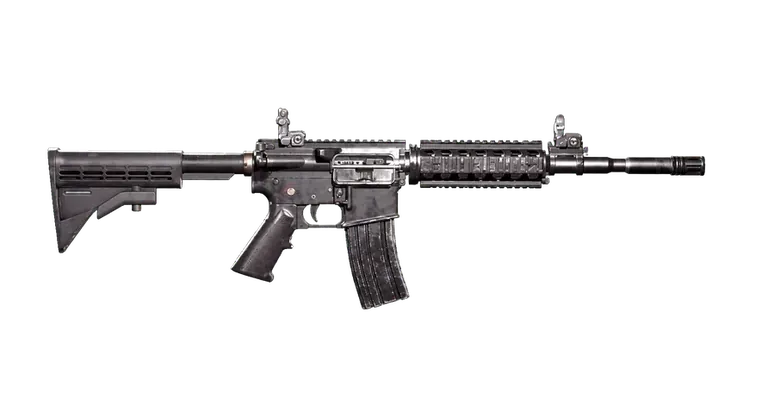
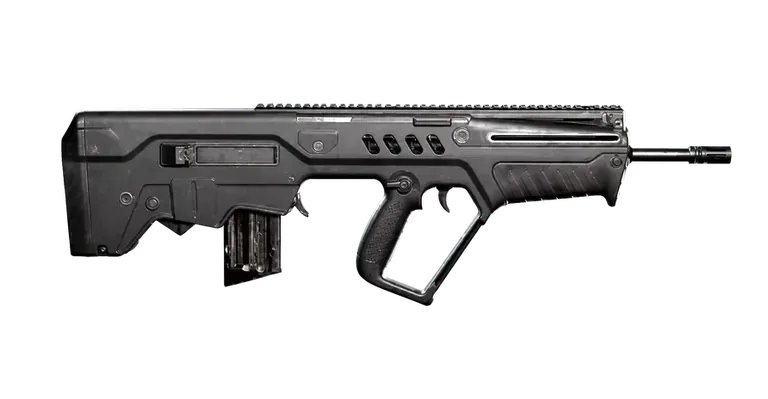
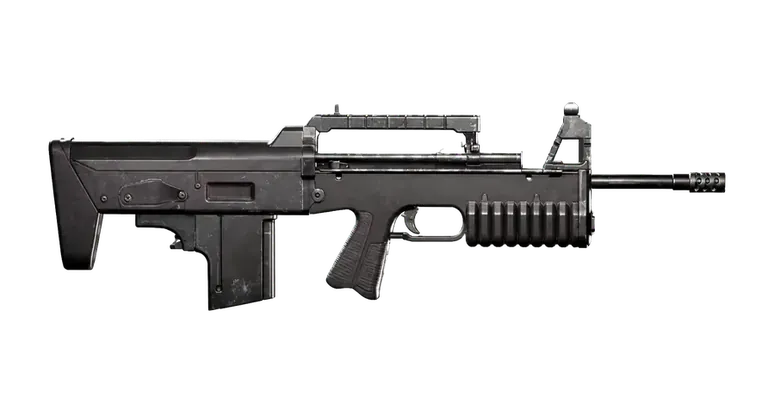
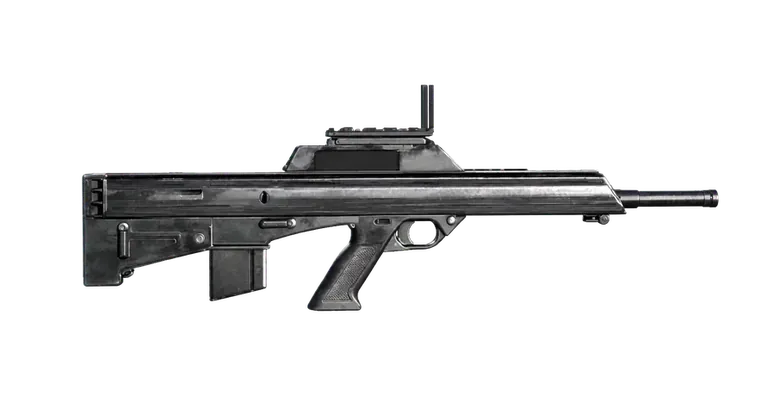
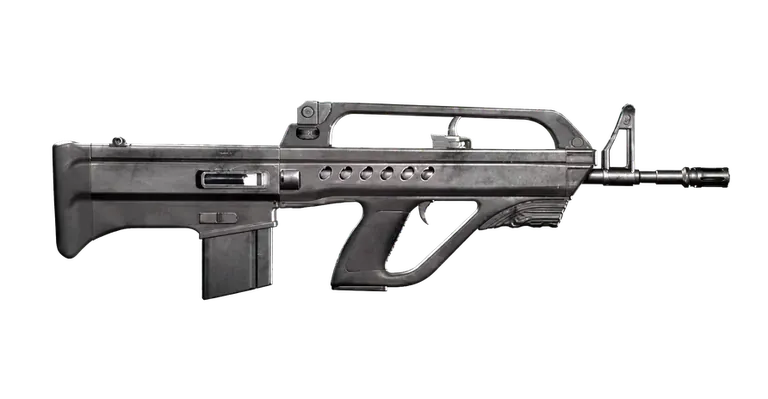
| # | Weapon | Price | Role | Dmg | RPM | Shots | TTK | Close | Med | Long |
|---|---|---|---|---|---|---|---|---|---|---|
| 4 | $2,600 | SMG | 30 | 1200 | 4 | 150 ms | 194 ms | 538 ms | 1,617 ms | |
| 5 | $2,800 | Assault rifle | 28 | 800 | 4 | 225 ms | 325 ms | 592 ms | 1,289 ms | |
| 6 | $600 | Assault rifle | 28 | 750 | 4 | 240 ms | 347 ms | 631 ms | 1,375 ms | |
| 7 | $0 | Assault rifle | 28 | 700 | 4 | 257 ms | 371 ms | 676 ms | 1,473 ms | |
| 8 | $0 | Assault rifle | 28 | 700 | 4 | 257 ms | 371 ms | 676 ms | 1,473 ms | |
| 9 | $0 | Assault rifle | 28 | 700 | 4 | 257 ms | 371 ms | 676 ms | 1,473 ms |
B
6 · Viable, less forgiving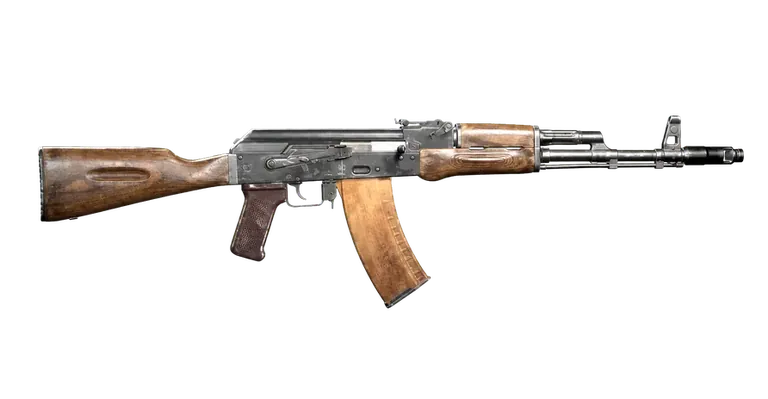
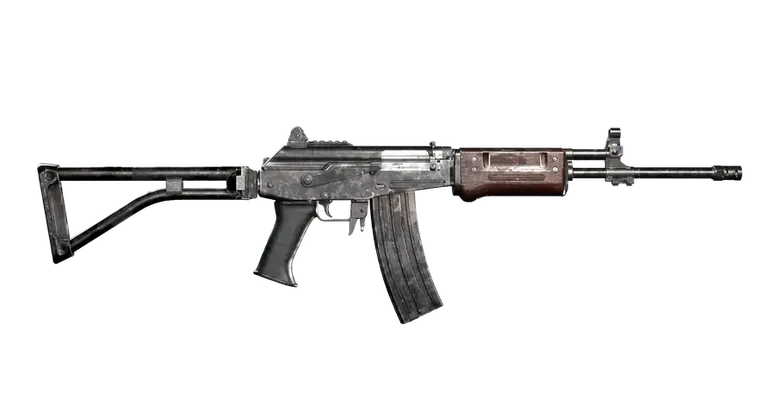
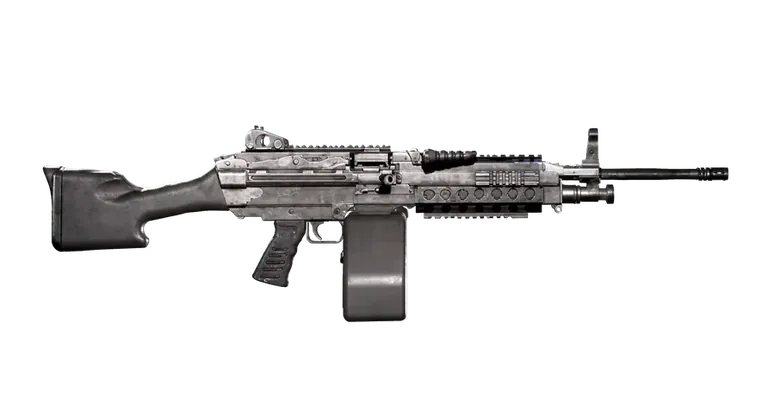
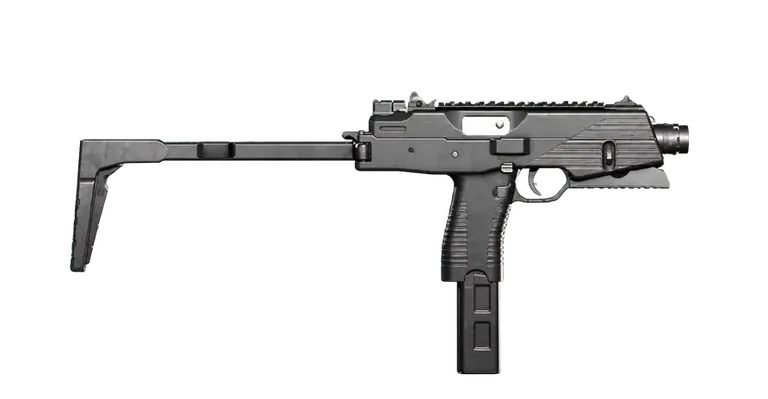
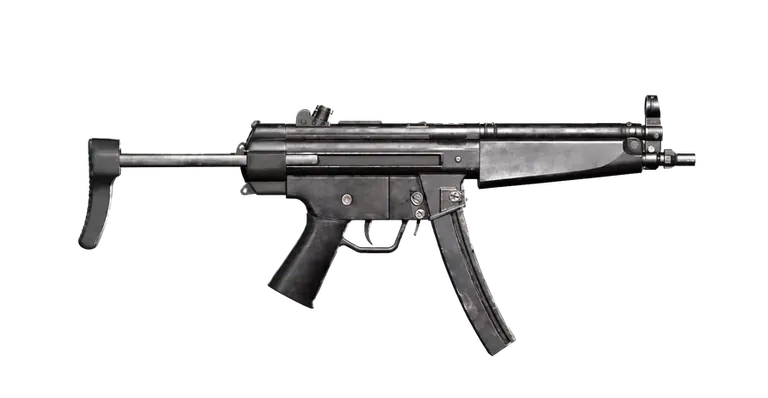
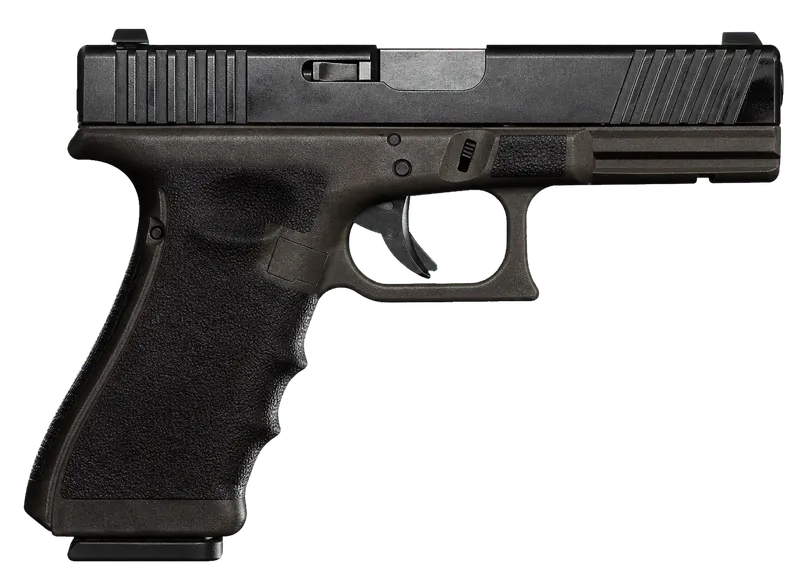
| # | Weapon | Price | Role | Dmg | RPM | Shots | TTK | Close | Med | Long |
|---|---|---|---|---|---|---|---|---|---|---|
| 10 | $1,600 | Assault rifle | 26 | 650 | 4 | 277 ms | 400 ms | 728 ms | 1,586 ms | |
| 11 | $2,200 | Assault rifle | 28 | 650 | 4 | 277 ms | 400 ms | 728 ms | 1,586 ms | |
| 12 | $3,200 | LMG | 28 | 850 | 4 | 212 ms | 364 ms | 812 ms | 1,946 ms | |
| 13 | $900 | SMG | 22 | 900 | 5 | 267 ms | 340 ms | 914 ms | 2,711 ms | |
| 14 | $1,500 | SMG | 22 | 800 | 5 | 300 ms | 382 ms | 1,028 ms | 3,050 ms | |
| 15 | $800 | Machine pistol | 22 | 1200 | 5 | 200 ms | 353 ms | 1,339 ms | 4,950 ms |
C
5 · Niche on this model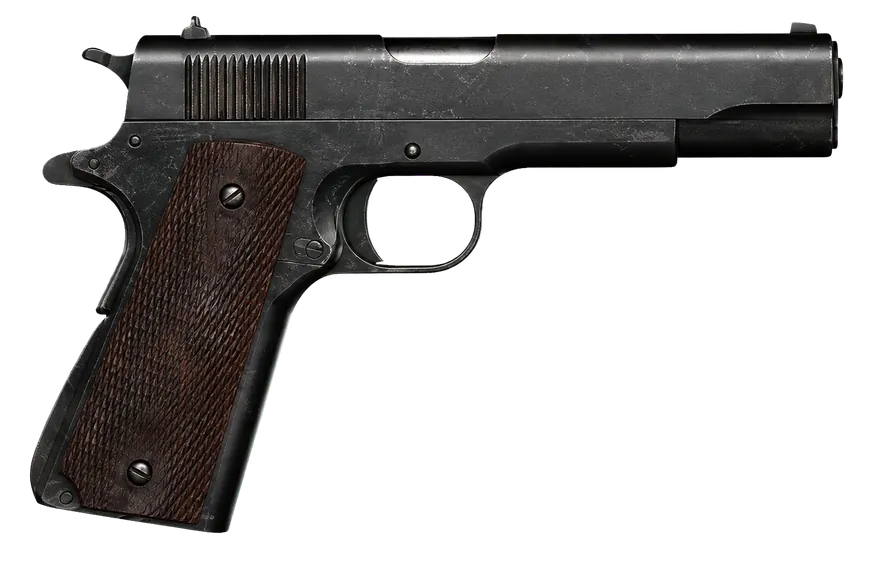
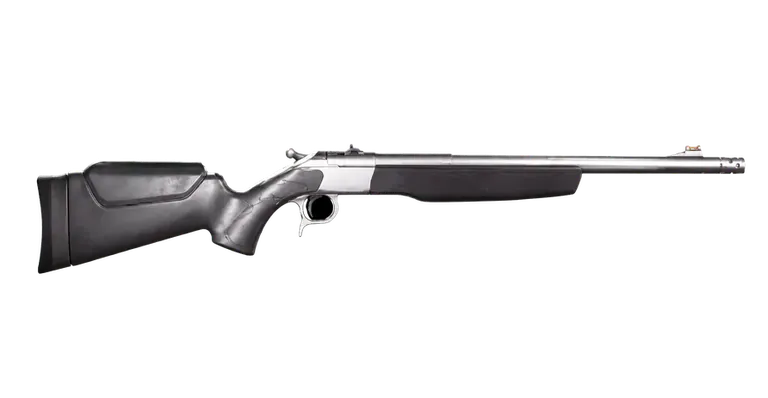
| # | Weapon | Price | Role | Dmg | RPM | Shots | TTK | Close | Med | Long |
|---|---|---|---|---|---|---|---|---|---|---|
| 16 | $300 | Pistol | 30 | 430 | 4 | 419 ms | 636 ms | 1,854 ms | 5,442 ms | |
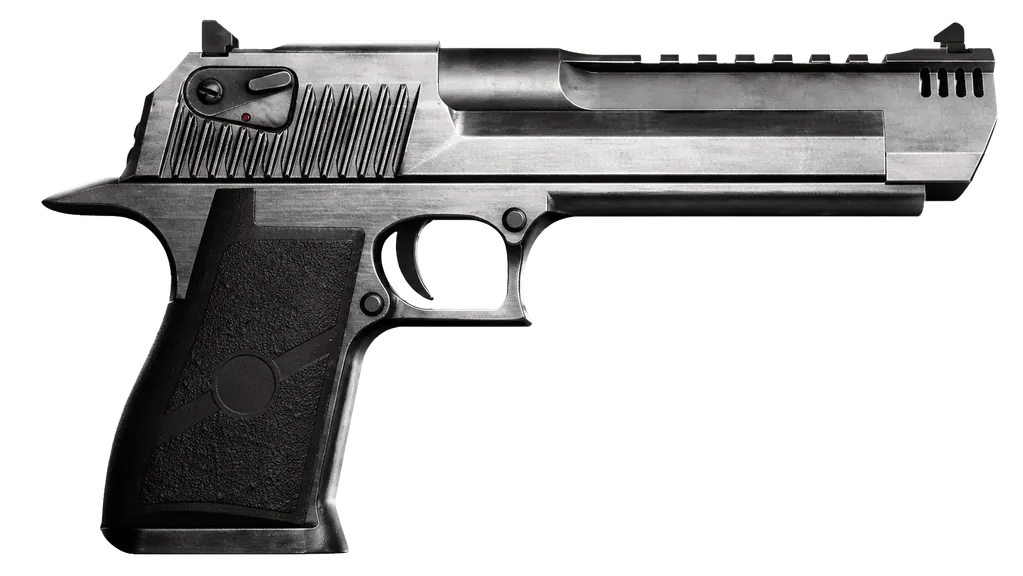
| 17 | $900 | Pistol | 49 | 267 | 3 | 449 ms | 712 ms | 2,183 ms | 6,517 ms | |
| 18 | $4,500 | Sniper rifle | 55 | 46 | 2 | 1,304 ms | 4,493 ms | 3,044 ms | 3,712 ms | |
| 19 | $5,200 | Sniper rifle | 55 | 46 | 2 | 1,304 ms | 4,493 ms | 3,044 ms | 3,712 ms | |
| 20 | $1,100 | Sniper rifle | 28 | 46 | 4 | 3,913 ms | 10,290 ms | 7,391 ms | 8,729 ms |
Unranked
5 · Missing a core figure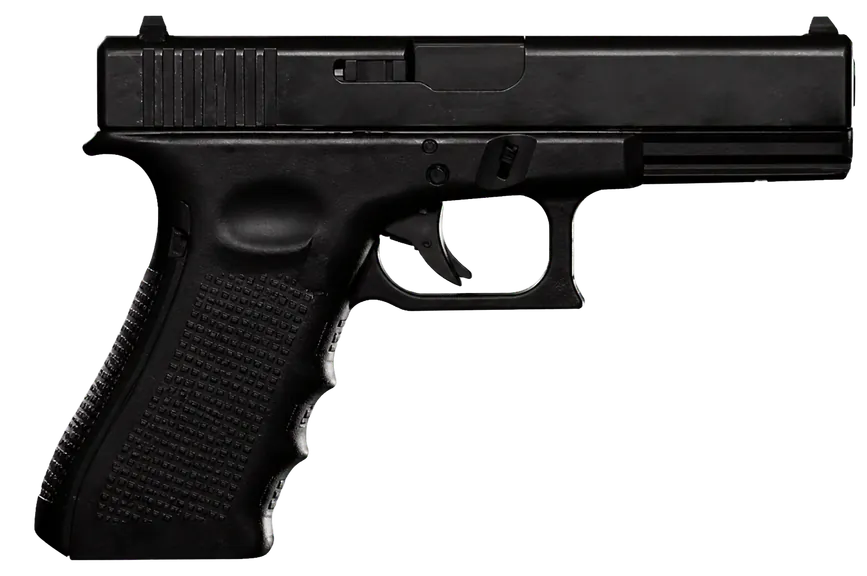
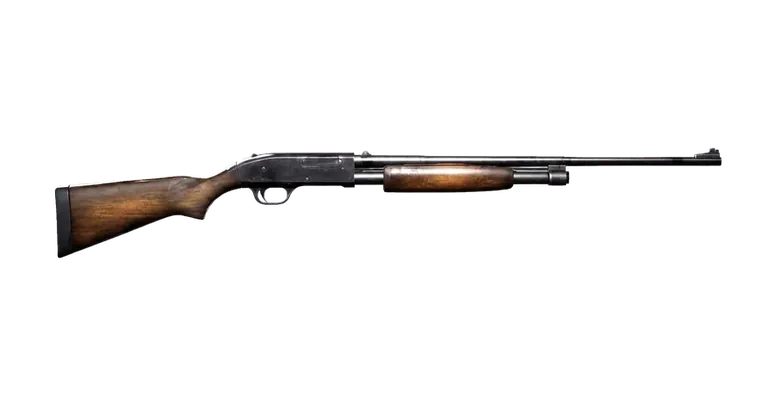
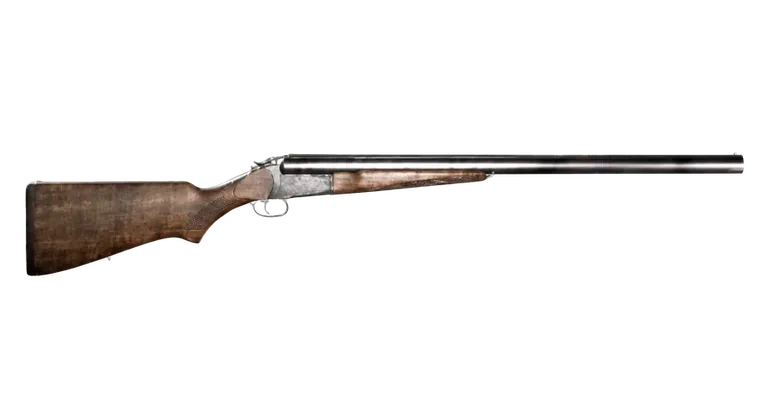
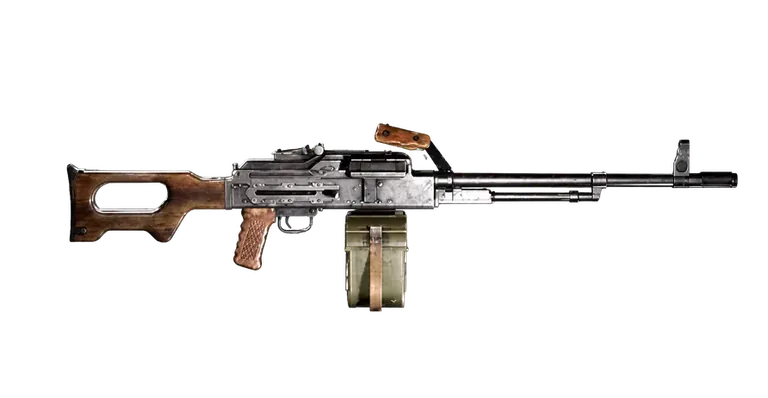
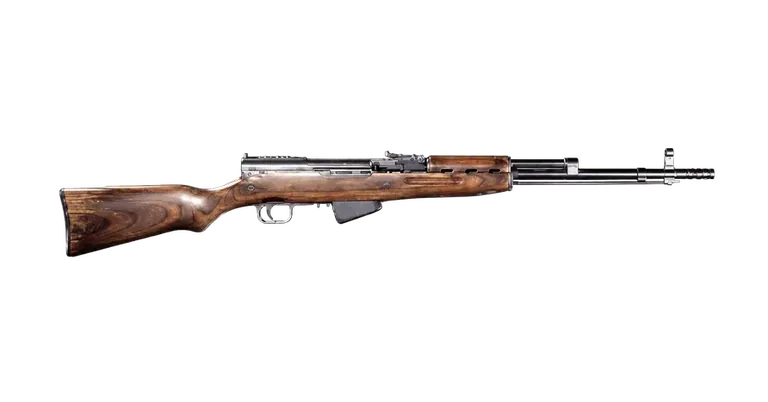
How to read this table
Dmg and RPM are recorded figures, not estimates. Rate of fire is per weapon and base damage is per calibre, and both hold consistently across every weapon family that has them — which is what makes them usable here. Shots is 100 health ÷ damage, rounded up, and TTK is (shotsToKill - 1) x 60 / rpm, printed in milliseconds — the first shot lands at zero, so a two-shot kill costs one firing interval.
That 100 is a hypothetical. No player health value has been published or observed, so every figure in the TTK column is really a ratio wearing the units of a millisecond. It compares weapons honestly and it will not match a stopwatch.
Close, Med and Long are modelled — that is what the rule marks. A weapon does not land every shot at 200 m, so each band re-runs the same arithmetic at an assumed hit rate: (shotsToKill / hitRate - 1) x 60 / rpm. The hit rates are per archetype, listed below, and they are ours. They are held constant across every weapon in an archetype so the comparison is like for like, and they are the largest assumption on this page. The tier letter is the mean of those three columns, scaled against the best weapon in each band.
Armour is not in this table at all. Every figure here is against an unarmoured target, because the tier letters are about what a weapon is worth rather than what it meets. The TTK rankings run the same weapons against all four tiers of vest and let you sort on whichever one you expect — the same arithmetic, asked the other question.
Price is joined from the catalogue and the model ignores it. On this site cost is the axis that actually decides a loadout, and a ranking that cannot see it is not finished. The column is there so you can see the gap the rest of this page is about — the FAL tops the table and costs $6,500, against a starting balance of $10,000. The cost-efficiency ranking puts the two columns together, below.
The hit rates the ranking assumes
Close, medium and long are relative rather than metric - the study does not yet decode the range falloff curves that would let us attach distances to them. Replacing these with measured play-test figures is the single biggest improvement available to this page.
| Role | Close | Medium | Long |
|---|---|---|---|
| Assault rifle | 75% | 45% | 22% |
| Battle rifle | 62% | 42% | 24% |
| SMG | 82% | 34% | 12% |
| LMG | 65% | 32% | 14% |
| DMR | 58% | 52% | 38% |
| Pistol | 72% | 28% | 10% |
| Machine pistol | 62% | 18% | 5% |
| Sniper rifle | 45% | 60% | 52% |
| Shotgun | 78% | 18% | 3% |
What the ranking does not know
Each of these would move rows, and several would move them a long way. None of them is in the model yet.
- ·Armour, helmets and durability
- ·Hit-location multipliers
- ·Penetration and ammunition types
- ·Range falloff, drag and bullet travel
- ·Recoil, spread and handling
- ·Attachments and build parts
- ·Magazine capacity and reload
- ·Aim-down-sight and burst timing
- ·Real player pick rate
- ·Cost, which is the axis this site ranks on
Why cost is the whole game
Call of Duty tier lists work because everyone has access to everything. If a rifle is the strongest option, you equip it, and so does everyone else. The only question is which item wins.
WARDOGS does not work like that. You open your account with $10,000 and buy your kit — weapon, equipment, vehicle — out of that balance. Spend it all on the best rifle and you have no armour, no utility, and no way to reach the Control Zone. Spend it on a helicopter and you are carrying a sidearm when you land.
And the balance does not refill when you die. Cash persists from match to match, so a loss is a real loss. That is the part that turns a shopping list into an economy: every purchase is a bet on surviving long enough to earn it back.
So "best weapon" is close to meaningless here. The real question is best weapon per dollar, and beneath that, what does the whole build cost. A rifle that is 90% as good for half the price is not the second-best choice — it is usually the correct one, because the money it frees buys the rest of your kit and survives a bad streak.
Which is the caveat that hangs over the table above. It ranks on time to kill, and time to kill has no opinion about a price tag — so read it as one axis of two. The second axis is next, and it changes the answer.
What a rank actually costs
Take the ranking above and put the price beside it, and one question answers itself: could you have paid less and done better? A weapon is on the frontier when the answer is no — when nothing cheaper in the table outranks it. That is the whole rule. It is not a score with weights to argue about, and you can check every row of it against the table above without taking our word for anything.
5 of the 14 weapons survive it. The rest are beaten on both axes at once — outranked by something that also costs less, which on this site is the definition of the wrong purchase.
| Weapon | Price | Budget | TTK rank | Verdict |
|---|---|---|---|---|
| $0 | 0% | 7 | Nothing cheaper ranks higher | |
| $0 | 0% | 8 | A-91 ranks higher and costs $0 less | |
| $0 | 0% | 9 | A-91 ranks higher and costs $0 less | |
| $600 | 6% | 6 | Nothing cheaper ranks higher | |
| $900 | 9% | 13 | A-91 ranks higher and costs $900 less | |
| $1,500 | 15% | 14 | A-91 ranks higher and costs $1,500 less | |
| $1,600 | 16% | 10 | A-91 ranks higher and costs $1,600 less | |
| $2,200 | 22% | 11 | A-91 ranks higher and costs $2,200 less | |
| $2,600 | 26% | 4 | Nothing cheaper ranks higher | |
| $2,800 | 28% | 5 | SUPER-45 ranks higher and costs $200 less | |
| $3,200 | 32% | 12 | A-91 ranks higher and costs $3,200 less | |
| $4,800 | 48% | 2 | Nothing cheaper ranks higher | |
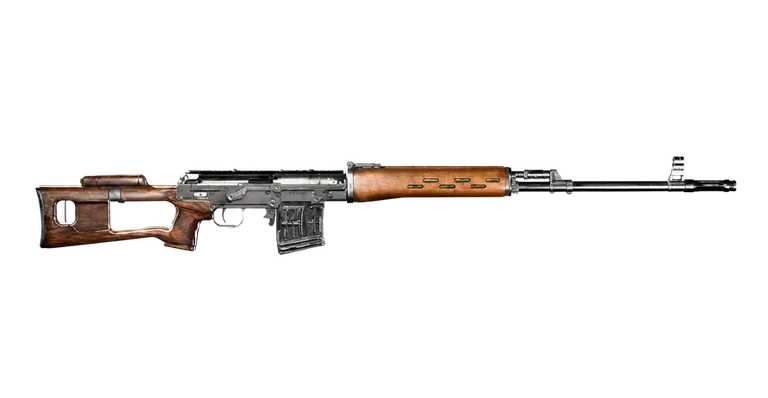
| $6,000 | 60% | 3 | SVD ranks higher and costs $1,200 less | |
| $6,500 | 65% | 1 | Nothing cheaper ranks higher |
The line that does the most work is the free one. The A-91 is the faction recruit rifle, it costs nothing, and on this model it outranks 7 weapons you would pay up to $3,200 for. With one caveat the table cannot hold: its tile says “Unable to equip attachments”, and attachments are on the model's own list of things it does not know about. A paid rifle you can build on is not competing with a free one on rank alone. That is the shape of the gap: the arithmetic defends the free rifle, and the arithmetic is not finished.
What this ranking leaves out
6 priced and ranked weapons are held back from the table above, and not because they did badly. In both cases the model measures something other than what the weapon is for, so including them would produce a confident wrong answer rather than a missing one.
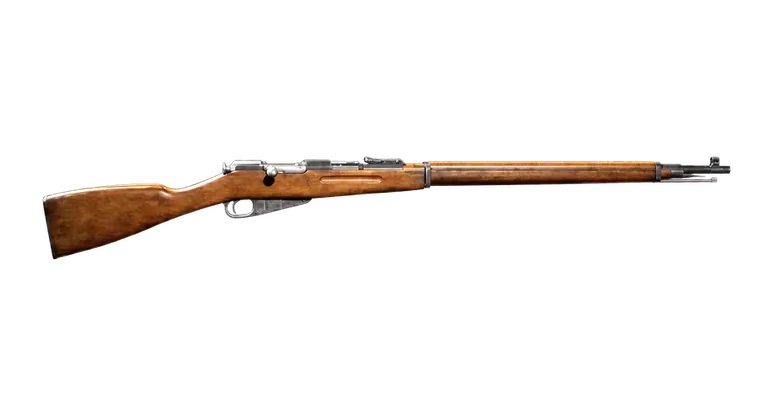
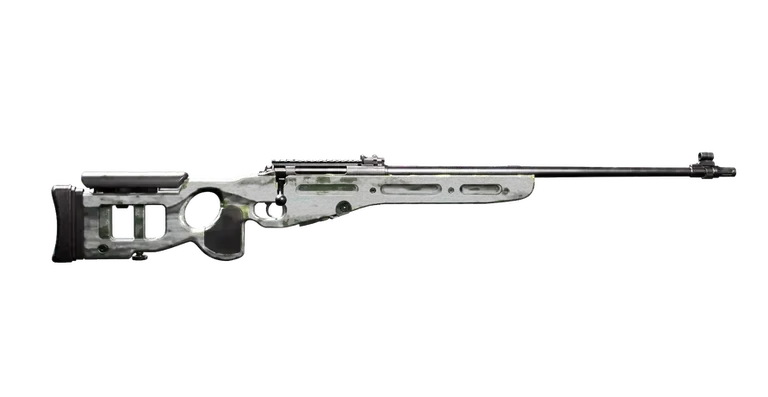
- Sniper rifles · MOSIN NAGANT, SV98, SCOUT RIFLE TD
- Hit-location multipliers are outside the model, and a bolt-action rifle is bought for the shot it does not have to repeat. Ranking one on shots-to-kill measures the wrong thing — which is why all three sit at the bottom of the study.
- Sidearms · GGX 18, M1911, DEAGLE
- A sidearm is the second slot, carried alongside a primary rather than instead of one. It is not competing for this budget the way the rest of the table is.
A further 13 of the 33 weapons we have recorded reach neither table: no price yet, no damage figure, or neither. They fall out for want of data rather than for want of merit, and the catalogue holds them either way.
The three spends
Every life is one of these decisions. Builds on this site are organised by what they cost, not just what they contain.
The fourth spend sits outside the bands entirely: a vehicle is bought from its own vendor and priced against the same wallet, which is why a squad that buys transport is a squad fighting the Control Zone on a thinner kit.
Budget
Up to $4,000
What you can field after a bad life.
Standard
Up to $7,500
The everyday spend.
Full budget
Up to $10,000
Everything a fresh spawn can afford.
Go deeper
Weapons
Every weapon with its cost, tier and the patch the numbers came from. Populating after the alpha.
Open →Best loadouts
Complete builds organised by what they cost against your cash balance.
Open →How the economy works
Where the cash comes from, why teamplay pays better than kills, and what that does to the meta.
Open →How these rankings work
Most tier lists are one person's opinion presented as a verdict. Ours shows the arithmetic next to the letter, marks where the recorded figures end and our model begins, and stamps every figure with the patch it was observed in — currently Season 1 (Early Access launch) — because a weapon stat is never true outright, only true as of a patch.
When a patch moves a number, the stamp changes and the old value is replaced rather than quietly overwritten. That is the difference between a meta site you can check against and one you have to trust. Every build and what it shifted is logged on the patch notes page.
Read next
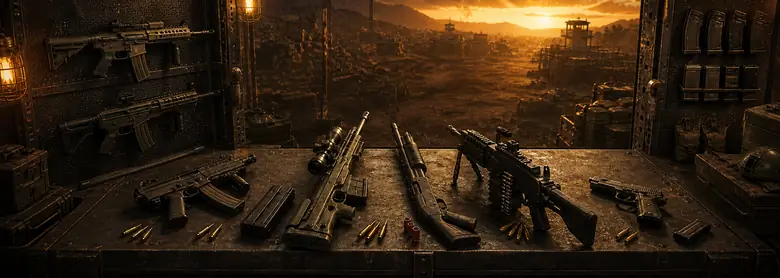
Catalogue
Every weapon we have recorded
The Closed Alpha roster, tab by tab.
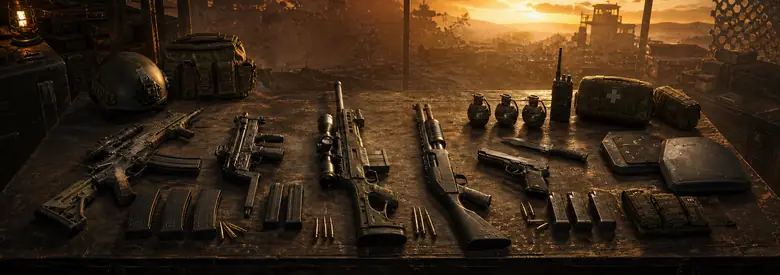
Builds
Complete loadouts by what they cost
Whole kits priced against the $10,000 you get once per account.
Release date
When does WARDOGS come out?
10 September 2026 in Steam Early Access, PC only, $39.99 — and what is still undated.

Kolchia
The map and the Control Zone
256 km², with a 2 × 2 km zone that moves every match.